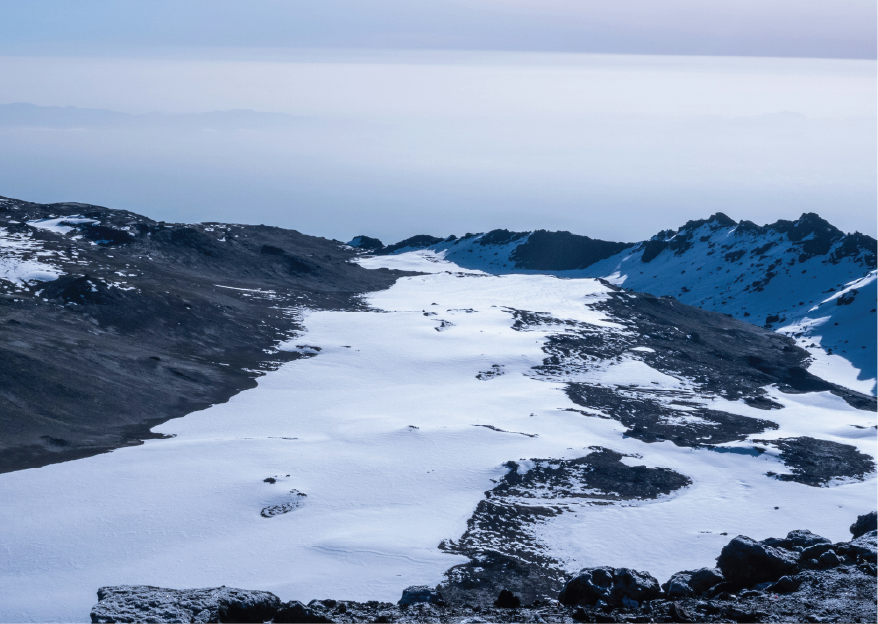
Choosing a Kilimanjaro route is one of the most important decisions in the trek. The highest success strategy is rarely the shortest route; it is the route that gives your body enough time to acclimatize while matching the scenery, comfort level and trekking style you actually enjoy.
01At a Glance — Which Route Fits You?+
Lemosho and Machame are strong all-round choices for scenery and acclimatization. Marangu is the classic hut route and can suit trekkers who prefer fixed shelters. Rongai is quieter and approaches from the northern side. Umbwe is steep, direct and best reserved for experienced trekkers who understand the demands of rapid ascent.
- Lemosho — scenic, gradual and excellent for acclimatization
- Machame — dramatic scenery and a popular all-round route
- Marangu — huts, established trail and simpler logistics
- Rongai — quieter northern approach and different landscape feel
- Umbwe — steep and direct; demanding for acclimatization
02Lemosho — Best for Time and Scenery+
Lemosho begins on the western side and typically provides a longer approach, varied landscapes and a gradual progression before joining the upper mountain. It is an excellent choice for travellers who prefer more acclimatization time and a scenic trek.
- Strengths: scenery, gradual approach, acclimatization
- Best for: first-time trekkers with enough time
- Trade-off: longer itinerary and generally higher cost
03Machame — The Classic Scenic Route+
Machame is known for dramatic trail scenery and a varied ascent. The route uses the mountain’s southern slopes and can be rewarding for trekkers who enjoy a more active trail with several changes in terrain.
- Strengths: scenery, established logistics and strong acclimatization profile
- Best for: active trekkers seeking a classic experience
- Trade-off: can be busy in peak periods
04Marangu — Huts Instead of Tents+
Marangu uses mountain huts rather than camping tents. Its gradual profile can appear easier, but the shorter itinerary commonly used on the route leaves less time for acclimatization than longer alternatives. Extra acclimatization days can improve the experience.
- Strengths: huts, established trail, simpler camping logistics
- Best for: trekkers who prefer hut accommodation
- Trade-off: same summit altitude, with less route variation and potentially less acclimatization time
05Rongai — Quiet Northern Approach+
Rongai approaches Kilimanjaro from the Kenyan-facing northern side. The landscape can feel drier and quieter, and the route offers a different perspective before joining the descent on the southern side.
- Strengths: quieter feel and northern scenery
- Best for: trekkers who want a less-trafficked approach
- Trade-off: some sections feel less lush than western/southern routes
06Umbwe — Steep, Direct and Demanding+
Umbwe is a direct route with steep early terrain. It is not generally the first recommendation for a first-time trekker because the rapid gain in altitude can make acclimatization harder. Strong fitness does not replace acclimatization.
- Strengths: dramatic, direct and less conventional
- Best for: experienced trekkers comfortable with steep terrain
- Trade-off: greater acclimatization challenge
07Acclimatization Matters More Than Speed+
Altitude affects people differently. A good itinerary builds in gradual ascent, sensible sleeping elevations, hydration, rest and guide-led monitoring. If symptoms of altitude illness become serious, descent is the priority.
- Choose longer itineraries when possible
- Follow guide instructions and hydration practices
- Do not treat summit speed as a measure of success
- Allow contingency time for weather and altitude
08How to Compare Routes Before Booking+
Ask for the exact number of trekking days, sleeping elevations, summit-night plan, descent route, crew structure, emergency procedures and what equipment is supplied. Two itineraries with the same route name can still feel very different depending on the pacing and support model.
- Number of days and acclimatization profile
- Camping versus hut accommodation
- Crew size and guide-to-client ratio
- Emergency and evacuation procedures
- Airport transfers and pre/post-trek accommodation
01
Start with the experience you want, not a fixed route.
02
Allow travel time between parks so game drives do not become a race.
03
Tell your guide what matters most; the best itinerary leaves room to adapt.